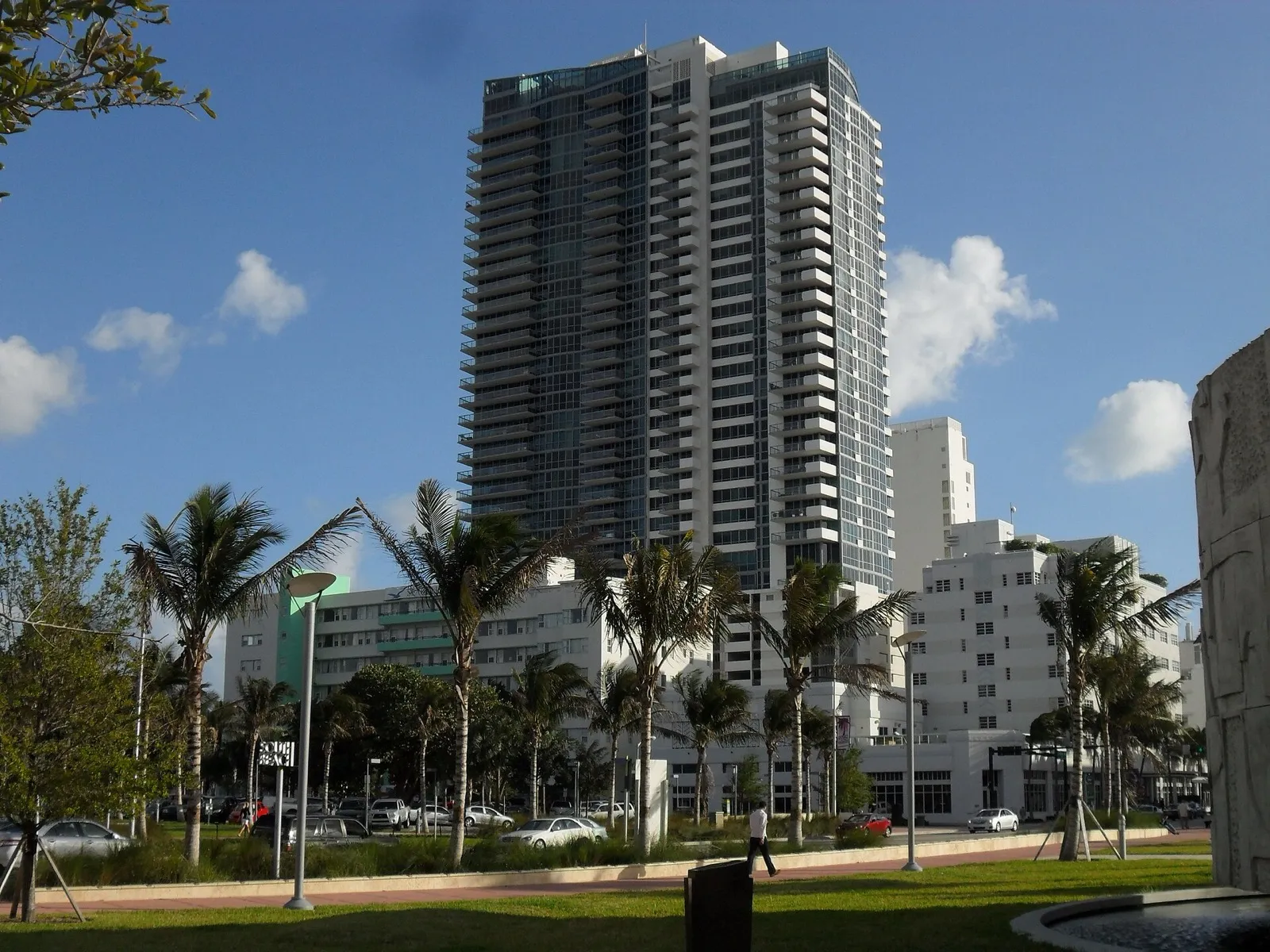
Miami beachfront condos for sale are the scarcest residential product in South Florida — there is only so much sand line — and that scarcity is the whole investment case. The discipline is separating the part of the premium you keep from the part that flows straight back out as insurance and upkeep.
What the oceanfront premium actually buys
Direct beach access is finite and non-replicable, and that is why a true oceanfront unit can trade 25%–60% above a comparable ocean-view unit one row back. You are paying for the unobstructed line of sight that cannot be built out in front of you, for the deeded beach, for the deepest pool of global buyers when you sell. Sunny Isles concentrates the modern oceanfront towers; Bal Harbour and Surfside add gated, low-density prestige; South Beach trades on the Art Deco beachfront with the most international rental demand. The premium is real — the question is whether the specific building protects it.
Want to see the beachfront condos available right now?
View oceanfront condos →Insurance: windstorm and flood are the real carry
On the ocean, insurance is not a footnote, it is a line item that can rival your taxes. A beachfront condo carries the building's windstorm (hurricane) master policy through the association — which has risen sharply across coastal Florida — plus, for the owner, a flood policy (NFIP or private) and an interior HO-6. Premiums depend on the building's age, its wind mitigation, its claims history and its elevation. Always model the all-in annual carry — HOA + windstorm pass-through + flood + taxes — before you anchor on the asking price.
FEMA flood zones, salt and erosion
Beachfront parcels sit in FEMA's highest-risk V and AE zones, where wave action and storm surge drive both the flood premium and the lender's requirements. Salt air is relentless: oceanfront buildings spend more on façade restoration, railing and window replacement, and balcony concrete — costs that surface as higher reserves or special assessments. Coastal erosion and beach-renourishment programs matter too. None of this is a reason to avoid the beach; it is the reason to buy a building that has funded for it rather than one that has deferred it.
Oceanfront vs ocean-view: underwrite the difference
"Ocean-view" and "oceanfront" are not the same asset, and the gap between them is where buyers overpay or find value. Oceanfront means the building sits on the sand with direct, deeded access and a frontal water line; ocean-view can mean a side angle from three blocks back. The premium is justified only if the view is protected — no developable lot between you and the water. Verify the line of sight, the floor and the exposure in person, then finance it, if you wish, with a foreign national loan; the rental demand on true oceanfront is what underpins resale liquidity.